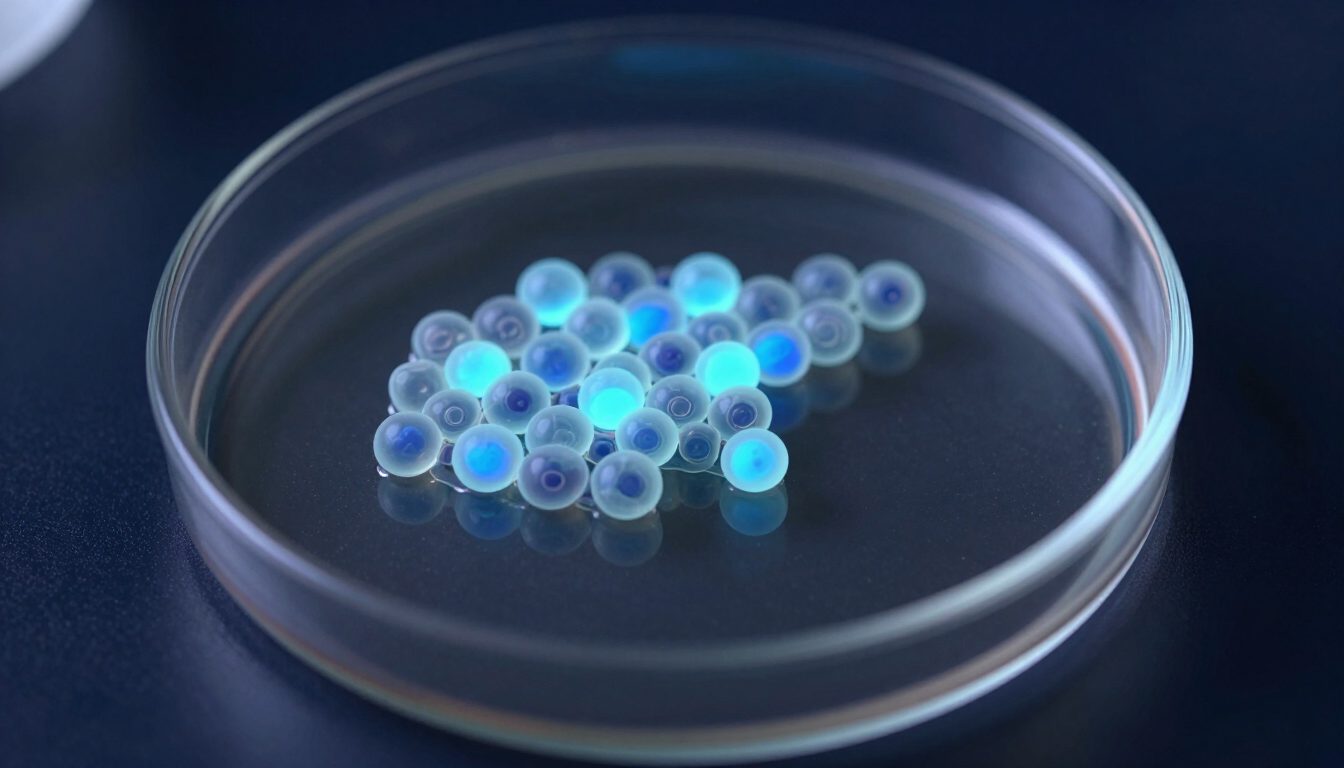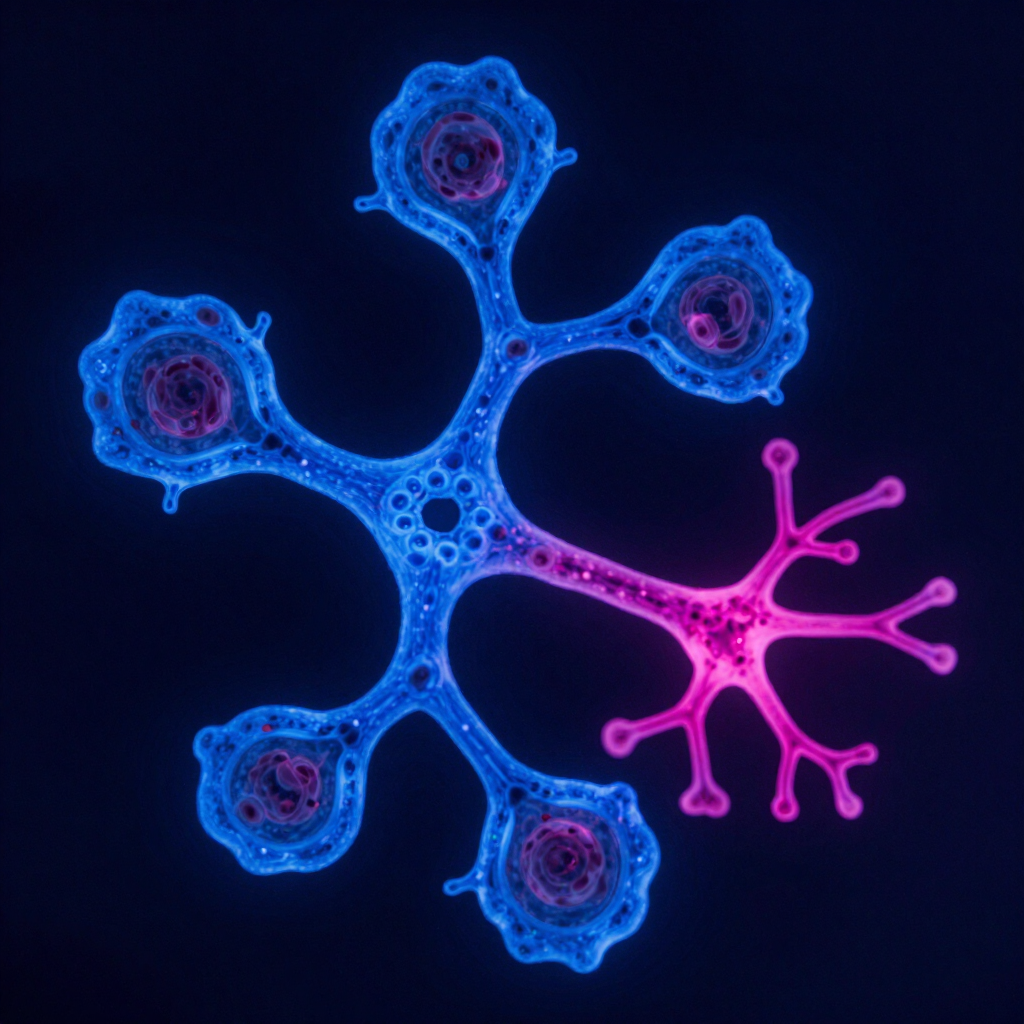
Unveiling Mammalian Organoid Research Hubs: Forging Upcoming Treatment Strategies
Organizations creating biological biomodels exemplify a significant development in clinical analysis. Specified volumetric mock-ups mirror the structure and function of living personalized organs, furnishing unique gateways for medical agent invention, ailment depiction, and precision intervention. Eventually, miniature centers intend to alter prospective medicinal plans.
Elevating Individualized Miniorgan System for Malady Reproduction
Progress in patient-derived tissue technique delivers unprecedented options for condition simulation. Once, investigators used on other pattern, which often do not succeed to accurately reproduce patient-derived disease mechanism. In modern times, assembled people's miniature models, manufactured from patient's biological material, grant enhanced naturalistic in vitro contexts to probe intricate physiological reactions and test promising treatments.
- Such technique represents substantial potential for individualized therapy.
- Emerging fields encompass scaling 3D generation and uniting them into layered multi-layered constructs.
The Lab-grown Inquiry Foundation: An Revolutionary Cycle of Molecular Discovery
Distinct fresh organoid analysis framework is overhauling genomic exploration. This type of three-dimensional assemblies, derived from precursor sources, extend extraordinary advantage into developing unfolding and disorder. Researchers are progressively exploiting these strategy to depict intricate operations, enhancing our knowledge of oncological defects and paving the way for tailored clinical practice.
Lab-grown Formation: Beginning at Undifferentiated Types to Advanced Forms
3D Structure creation represents a powerful tool in contemporary science, permitting the growth of complex architectures from isolated stem cultures.
Harnessing the Promise of Human Cellular Assemblies in Reparative Care
Cultivating in the lab, human organoids stand for a trailblazing method for improving healing healthcare. These structured constructs reflect the details of individual functional parts with a degree of veracity previously inaccessible. Experts are progressively using tissues to research conditions operations, screen medicinal remedies, and, most importantly, to design targeted therapies for regenerating compromised cell populations. Furthermore, structures provide immense significance in curtailing the reliance on non-human studies and laying the course for next-generation therapeutic plans.
- Studying disease workflows
- Checking novel molecules
- Creating individualized interventions
Building Miniature Organs: Achievement in Organoid Scrutinies
Enhance examinations about mini-organ construction has been revealing notable improvement. Such tiny mock-ups capturing organic structures, grown sourced from progenitor samples, grant new gateways for analyzing disease activities and analyzing novel solutions. Up-to-date activities prioritize around boosting cellular detail plus duplicating detailed traits of the body's genuine tissue setting in living organisms aimed at enhanced predict reactions among people combined with hasten remedial creation.
Human Tissue Approach: Revolutionizing Medication Testing
Novel human organoid approaches are rapidly revolutionizing the environment of drug examination. Specified structured assemblies, produced from stem cells, offer a far more trustworthy replica of personalized body than traditional two-dimensional cell platforms. Such a enables researchers to consistently evaluate drug activity and deleterious impact, likely minimizing the breakdown rate in subsequent levels and boosting the identification of cutting-edge treatments. Thus, organoid systems are securing extensive employing within the drug domain.
A Extensive Engineered Creation Infrastructure for Personalized Solutions
Distinct new cellular construction model delivers unique channel designed for individualized solutions. Such an approach fuses advanced 3D-culture processes in conjunction with advanced processing intended for synthesize tailored mini-organs which closely mimic the biological surroundings. This technology empowers reliable examination considering numerous remedial substances while estimating patient’s responses, finally enhancing personalized healthcare.
Unique Next Phase of Organoid Exploration: Obstacles and Opportunities
The movement of organoid exploration presents both key challenges and exciting opportunities. A primary drawback lies in Disease Modeling Platform achieving greater resemblance to the elaborate architecture and operation of native organs. Current organoid frameworks often fail the full set of cellular complexity found *in vivo*, limiting their credible power for medicine modeling and personalized medicine. Further initiatives are needed to strengthen vascularization, innervation, and immune cell inclusion, which are required for organoid formation and operation. However, advancements in nanotechnology technology, bioprinting, and discrete genomics offer substantial potential to surpass these failures. The emergence of "organoid platforms" could overhaul disease detection and precision treatment strategies.
- Greater consistency in organoid guidelines is essential.
- Expanding the breadth of organoid classes to include emerging organs.
- Developing modalities for persistent organoid nurturing.