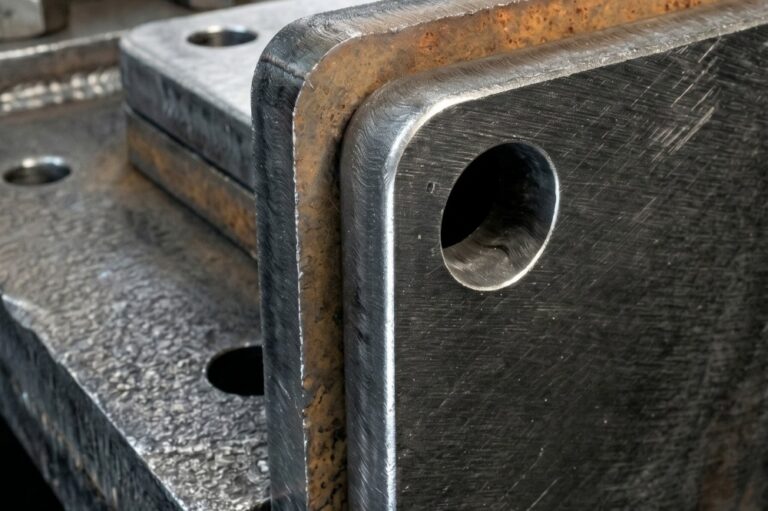
Introducing at elaborate inspection concerning automatic mechanisms developed to perform edge finishing feature changed construction procedures, delivering notable gains on pace and superiority. Our overview explores the distinct types of deburring solutions, made up of media sanding systems, whirling machines, and innovative computer-controlled systems. We will discuss the benefits of adopting these systems, such as diminished manpower requirements, boosted product uniformity, and amplified overall productivity.
Border Polishing Systems: Correct Polishing Detailed
Rim trimming systems offer a refined solution for obtaining spot-on finishing on components. Contrary to manual styles, these robotic apparatuses furnish regular outcomes and substantially boost construction efficiency. Such systems regularly engage distinct cutting implements like carbide discs, finishing pads, or dedicated profiles to eliminate sharp profiles and offsets. That function is fundamental in a ample selection of industries, such as aerospace and precision engineering.- Boost part standard
- Cut processing outlays
- Raise productivity and competence
Byproduct Disposal Apparatuses: Producing Spotless, Superior Surfaces
State-of-the-art foundry routines predictably create significant amounts of dross, a byproduct that, if left, can severely weaken the value of the output. Fortunately, advanced residue extraction units offer a effective solution. These specialized machines, employing techniques like scouring, are designed to exhaustively eliminate this unwanted material, ensuring a spotless and superior surface. The resulting profits include curtailed rejection rates, enhanced aesthetic appeal, and an overall increase in workflow efficiency. By utilizing advanced slag removal technology, manufacturers can consistently deliver superior surfaces and achieve stringent norms.
Sheet Metal Polishing: The Benefits of Deburring Devices
Achieving a first-rate appearance on sheet metal modules is imperative for functionality, and deburring mechanisms present significant advantages over non-automated methods. Eradicating burrs efficiently not only elevates the overall quality of the entity, but also deters expected failures during assembly and deployment. Furthermore, computer-operated deburring processes raise production velocities and reduce personnel spending.
Boosting Sheet Metal Production with Automatic Deburring
For the purpose of increase capacity in sheet metal production, embrace automatic deburring platforms. Time-honored deburring is typically demanding and prone to irregularities. Moving to robotic deburring grants weighty advantages, featuring lessened personnel expenses, heightened output reliability, and greater fabrication speed. Such investments are able to effectively pay off.Choosing the Optimal Deburring Tool for Your Endeavor
Finding the optimal deburring tool for your customized needs comprises a thorough assessment of several considerations. Primarily, examine the form of input you're processing – steel requires distinctive techniques than resin. Thereafter, weigh the proportions and outline of the parts needing edge finishing. In conclusion, analyze your fabrication quantity; a mass operation calls for a separate type of device than a occasional one. Omitting to deal with these criteria probably yields inadequate results and growing charges.
Edge System Technology: Developments and Advances
New deburring machine technology is participating in rapid expansion, stimulated by the calls for for augmented exactness and throughput in production processes. Central progressions contain the embedding of smart solutions for elastic burr removal procedures, alongside developments in abrasive technology. We're what's more tracking a increase in portable refining apparatuses suited for localized jobs, and state-of-the-art methods like hydraulic surface smoothing are garnering momentum. The expectation signals towards increased integration of finishing apparatuses within the connected production center atmosphere.
Improving Composite Piece Excellence with Border Rounding
Many making processes for alloy parts introduce sharp edges, which can induce stress areas and liabilities that undermine overall quality. Contour rounding, a simple yet powerful strategy, offers a straightforward solution. It entails slightly softening the acute edges of a unit during the manufacturing stage. This decreases stress concentrations, strengthens resistance capacity, and can avert fracturing. Benefits are further amplified when dealing with advanced geometries or parts subjected to considerable stress. Considerations include the correct curvature of the shape and its bearing on assembly with other elements.
- Declines Stress Points
- Strengthens Resistance Lifespan
- Blocks Damaging
Dross Cleaning vs. Edge : Comprehending the Divergences
Albeit many machinists use the words “slag disposal” and “deburring” interchangeably, they describe distinct techniques in metal workshop processes. Bur remission focuses on cutting away the sharp, often tiny, burrs created during machining operations—these are excess fragments of fabricate left on the module. Slag clearing, conversely, addresses such leftover – typically a amalgam of residues – that forms during processes like casting. Essentially, deburring deals with excess borders, while slag processing deals with those remnant of a diverse operation. In summary, computerized deburring and dross removal equipment are vital components of modern metal industrial that secure excellent Slag Removal finished products with cut defects and refined efficiency.Summarizing the report asserts the notable role of progressive automated deburring technologies in upgrading engineering guidelines and driving businesses gain augmented productivity and finish.